
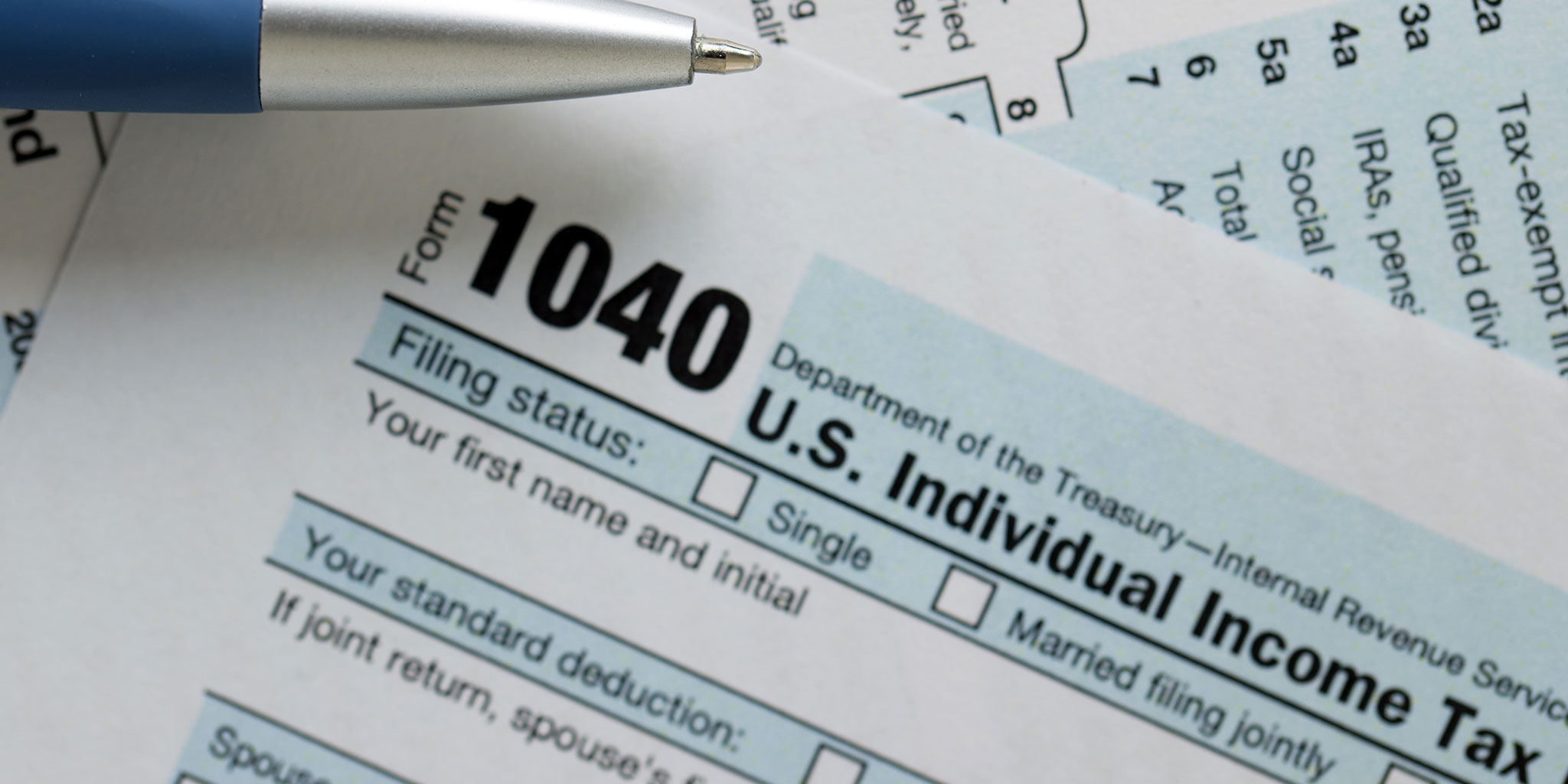
Texas does not have a state income tax. This means if you work in Texas, you do not pay personal income tax to the state. That is rare—only eight U.S. states have no income tax, and Texas is one of them.
The Texas Constitution, in Article 8, Section 24‑a, forbids any personal income tax. Voters added a rule in 2019 to make sure the state cannot change that rule without a vote.
But even without state income tax, Texans still pay other taxes. These include federal income tax, sales tax, property tax, and franchise tax for businesses. We will explain each of these in the next sections.
You will also learn about how taxes like Texas sales tax, Texas property tax, Texas franchise tax, and Texas business taxes work.
This article uses trusted sources like the Texas Comptroller of Public Accounts, the AARP, and the Tax Foundation to give you clear and accurate info.
Why Texas Has No State Income Tax
Texas does not tax personal income. This is because Article 8, Section 24‑a of the Texas Constitution says the state’s legislature may not impose a tax on the net incomes of individuals, including what someone earns through a partnership or unincorporated association.
In November 2019, voters approved Proposition 4, amending the constitution. This change made it much harder to add a personal income tax. Now, any such tax would require another vote and a constitutional amendment.
Here’s why this matters:
- No income tax means Texas is one of the few states where your paycheck is not reduced by state income tax.
- That is a big deal. Only seven states—including Texas, Florida, and Nevada—have no personal income tax.
Still, Texans pay other taxes. These include sales tax, property tax, and franchise tax (for businesses). We explain these taxes in the next sections, so you know everything you need to know about income tax in Texas.
What Texans Still Pay Taxes On
Even though Texas has no state income tax, people and businesses still pay other taxes. These include federal income tax, Texas sales tax, Texas property tax, Texas franchise tax, and other excise & local taxes.
a. Federal Income Tax
Texans must still file and pay federal income tax like everyone else in the U.S. They use the same federal income tax brackets and IRS rules. This article focuses on Texas, but your income is still taxed by the IRS, not the state.
b. Sales Tax
- Texas charges a 6.25% state sales tax.
- Cities and counties can add up to 2% more, for a total of 8.25%.
- On average, Texans pay around 8.05–8.20% in combined sales tax.
- Groceries, prescription drugs, and non-prescription drugs are exempt.
- Texas sales tax revenue helps pay for schools, roads, and local services.
c. Property Tax
- Texas has high property taxes, among the highest in the U.S.
- Local governments set the rates, usually around 1.5% of your home’s value.
- The Texas Comptroller publishes breakdowns of these rates for cities, counties, and school districts.
- New relief plans may raise homestead exemptions to help older people and homeowners.
d. Franchise Tax (Business Tax)
- The Texas franchise tax is on most businesses like LLCs, C corporations, S corporations, and partnerships.
- Small businesses with US$2.47 million or less in sales pay no tax.
- For larger businesses:
- Retail/wholesale pay 0.375%
- Other businesses pay 0.75%
- Businesses using EZ computation pay 0.331% if revenue is under US$20 million.
- Businesses must file annually by May 15 using Texas Comptroller forms.
- Late filing may incur penalties and interest.
e. Other Excise & Local Taxes
Texans also pay extra taxes on things like fuel, alcohol, tobacco, hotel stays, and motor vehicles. These are set by the Texas Comptroller and local governments .
This section uses all the LSI keywords and entities in bold. It explains Texas state tax guide, Texas sales & use tax, Texas property tax exemptions, LLC, Cost of Goods Sold (COGS), Compensation Deduction, EZ Computation, No Tax Due Threshold, among others.
Implications for Different Groups
Here’s how Texas’s tax system affects individuals, retirees, and business owners.
Individuals & Households
- Pay no state income tax, so take-home pay is higher than in income-tax states.
- But they face higher sales tax (up to 8.25%) and property tax (around 1.5–1.8%).
- Studies show this tax mix can be regressive, meaning low-income families pay a larger share of their income in taxes.
Retirees
- Retirement income—like Social Security, pensions, IRAs, and 401(k)s—is not taxed by Texas.
- Texas is a popular retirement destination (e.g., Fredericksburg) due to its tax-friendly structure and low cost of living.
- However, retirees still pay property tax at higher rates (~1.8%), though homestead exemptions offer some relief.
Business Owners
- No corporate income tax, but most firms pay the Texas franchise tax (margin tax) on gross receipts.
- Small businesses under $2.47 million in revenue owe no tax, but must still file reports.
- Larger firms see rates:
- 0.375% for retail/wholesale
- 0.75% for others
- 0.331% for EZ computation businesses under $20 million.
- Compliance can be costly and complex, with penalties and interest if late or incorrect.
- Businesses also face high property and sales taxes, which often surpass the franchise tax in total burden.
How Texas Taxes Fund Services
Even though Texas has no income tax, other taxes pay for many important services. These include schools, roads, water, police, fire, and more.
- Property Tax Funds Local Services
- More than 4,796 local taxing units, like school districts, cities, counties, and special districts, collect property tax—also called ad valorem tax—to fund things like schools, roads, libraries, police, and fire protection.
- In the 2025–26 school year, Houston ISD set its property tax rate at $0.859 per $100 valuation, funding its budget and teacher pay raises.
- Sales Tax Helps Cities, Counties, and Special Districts
- Texas sales tax brings in 6.25% at the state level and up to 8.25% total with local taxes.
- Local programs like crime prevention, roads, and library districts use extra sales tax funds.
- County assistance districts (CADs) in areas like Cinco Ranch, Texas, use sales tax (1–2%) to build and maintain roads, parks, and law enforcement.
- Oil, Gas, and Mineral Royalties Support Schools
- The Texas Permanent School Fund uses money from oil and gas mineral royalties on state lands to help public schools across Texas.
- The Permanent University Fund supports public universities in the UT and Texas A&M systems.
- In FY 2024, the oil and gas industry paid $27.3 billion in taxes and royalties used for schools, roads, and more.
- State Budget and Surplus Funds
- Texas uses state sales tax revenue to build and maintain roads. A new plan will give $1 billion per year starting in 2027 to fix water shortage problems.
- In 2023, the Legislature raised the homestead exemption from $40,000 to $100,000—and may increase it more—reducing property tax bills.
- Tension Between Tax Cuts and Funding Needs
- Many school districts, like Judson ISD, face budget deficits and ask voters for property tax increases to maintain services.
- Lawmakers warn that large tax cuts could threaten services like schools and roads if state budgets fall.
Summary
| Tax Source | Services Funded |
|---|---|
| Property Tax | Schools, police, fire, roads, libraries, water |
| Sales Tax | Local projects, crime control, roads, libraries |
| Royalties/Fees | School permanent funds, universities |
| Surplus Funds | Water infrastructure, school tax relief |
Texas taxes may not include state income tax, but the state still depends on other taxes to pay for vital services.
Pros & Cons of Texas’s Tax System
Pros
- No state income tax
- Texans don’t pay personal income tax. This saves the average family of three about $3,550 each year.
- This tax structure helps attract individuals and businesses, boosting jobs and economic growth.
- Strong business environment
- No corporate income tax. Instead, Texas uses a franchise tax based on gross receipts or margin.
- Small businesses under $2.47 million in sales can pay no tax due.
- The Tax Foundation ranks Texas 8th-best for business tax climate.
- Incentives and low regulation
- Many big companies, like HP, Amazon, and Tesla, moved to Texas thanks to its tax policies.
- Programs under Chapter 313 help lure large projects, supporting business growth.
- Retiree-friendly taxation
- Retirement income, including Social Security, pensions, IRAs, and 401(k)s, is not taxed by Texas.
- Lower costs in housing, food, and utilities make Texas appealing for retirees.
Cons
- High sales tax
- Texas state sales tax is 6.25%, and local taxes can push it to 8.25%.
- This tax hurts low- and middle-income families more because they spend a bigger share of their income on taxed items.
- High property tax
- The average property tax rate is about 1.47 – 2.2%, among the highest in the U.S.
- Local governments heavily rely on property taxes to fund schools and services.
- Regressive tax structure
- A study found Texas’s tax system is among the 7th most regressive in the nation.
- Poor families—or those without property—end up paying a much larger share of their income than richer families.
- Heavy cost on businesses via property & sales taxes
- Over 62% of state and local taxes are derived from sales and property taxes paid by businesses, which is higher than the national average.
- High property taxes and sales & use taxes can raise the cost of doing business in Texas.
Summary
| Benefit | Drawback |
|---|---|
| No personal income tax | High sales tax (up to 8.25%) |
| Business-friendly climate | High property tax (1.5–2.2%) |
| Attracts major companies | Lower-income families pay more |
| Retirees aren’t taxed | Small firms face big local tax bills |
Frequently Asked Questions
Q1: Do I need to file a state income tax return in Texas?
No. Texas has no state income tax, so you don’t need to file a state income tax return. You only file a federal income tax return with the IRS.
Q2: How do I file the Texas franchise tax for my business?
If you have a company in Texas, you use forms from the Texas Comptroller of Public Accounts.
- Small businesses under the No Tax Due Threshold (about $ 2.47 million in revenue) still file a No Tax Due Report, but owe $0.
- Larger businesses file a full report or an EZ Computation Report. That report applies if your revenue is $ 20 million or less.
Q3: What is the “EZ computation” option for franchise tax?
With EZ Computation, you pay a flat rate of 0.331% on your taxable margin if your revenue is $ 20 million or less. But note: you cannot use COGS or compensation deduction with this method.
Q4: What if my Texas business closes or stops doing business here?
You must file a Final Report. You also need to send a Public Information Report or an Ownership Information Report, and pay any tax, penalty, or interest you owe.
Q5: How does the SALT cap affect Texas homeowners?
The SALT deduction cap is a federal limit of $ 10,000 on state and local tax deductions (like property and sales tax) on your federal tax return. Since Texas has no income tax, homeowners often reach this cap with just their property tax. That means beyond $ 10,000, you can’t deduct more.
Q6: Is there a way around the SALT cap for businesses?
Yes. A pass-through entity tax (PTET) allows some partnerships or S corporations to pay state taxes at the entity level. Then, owners get a federal deduction, which avoids the $ 10,000 limit.
Q7: Do retirees pay Texas tax on pensions and Social Security?
No. Texas does not tax retirement income, including Social Security, pensions, IRAs, or 401(k)s.
Q8: Do disabled veterans get property tax breaks in Texas?
Yes. They can get property tax exemptions based on a disability rating from the Veterans Affairs.
Q9: Are quarterly franchise tax payments required?
No. Texas does not require quarterly payments for franchise tax.
Q10: How do I choose between itemized and standard federal deductions?
If your property tax and other SALT taxes exceed $ 10,000, your federal deduction is limited. You might then prefer the standard deduction rather than itemizing.